Walk into any Indian home during a festival, a wedding, or even an ordinary Sunday visit from relatives, and you will find one thing on the table without fail — mithai. Sweets are not just dessert in India; they are a language of celebration, respect, and love. At Channaram Foods, we have spent years perfecting recipes that have been passed down through generations, and in this guide, we take you through the rich world of traditional Indian mithai — where it comes from, the many forms it takes, and why handmade sweets continue to win hearts over mass-produced alternatives.
A Sweet History: Where Indian Mithai Comes From
The story of Indian sweets goes back thousands of years, long before refined sugar was even common. Early Indian sweets were made using jaggery, honey, and fruit, often combined with milk, ghee, and nuts. Over centuries, as trade routes brought new ingredients like sugar and khoya-making techniques into the subcontinent, mithai evolved into the incredible variety we see today.
Every region of India developed its own signature sweets based on local ingredients and culinary traditions:
- North India gave us ladoo, barfi, and halwa, rich with ghee and dry fruits.
- Bengal perfected chhena-based sweets like rasgulla and sandesh.
- Rajasthan, our home ground at Channaram Foods, is famous for ghewar, mawa kachori, and besan-based delicacies suited to the desert climate.
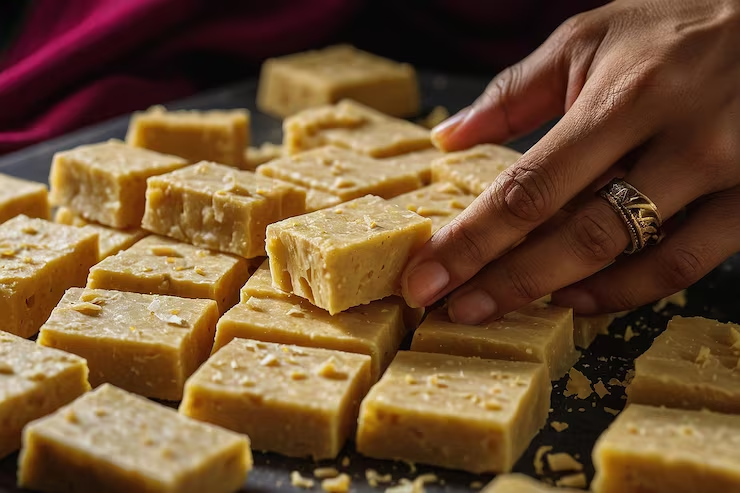
- South India brought us Mysore pak and payasam, often tempered with cardamom and saffron.
This diversity is what makes Indian mithai such a fascinating culinary tradition — no two regions make sweets the same way, yet all of them share the same spirit of warmth and hospitality.
The Main Categories of Indian Mithai
Khoya-based sweets — made from milk solids slow-cooked until thickened, khoya forms the base of favourites like peda, gulab jamun, and kalakand, often flavoured with cardamom, saffron, or rose.
Besan and flour-based sweets — ladoo, barfi, and halwa often use gram flour, wheat flour, or semolina combined generously with ghee and sugar, giving them a longer shelf life for festival gifting.
Chhena-based sweets — popular in Eastern India, fresh cottage cheese forms the base of soft, spongy sweets like rasgulla and rasmalai, requiring precise technique to get the texture right.
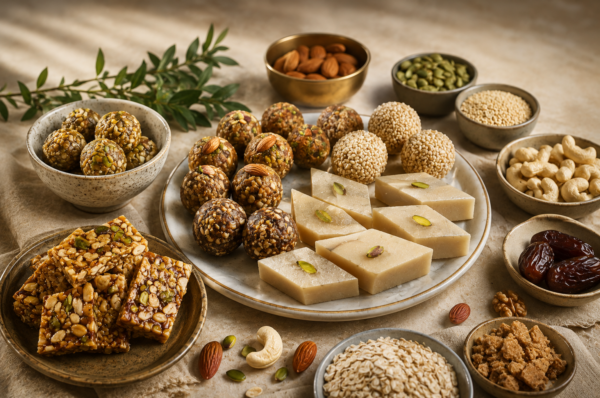
Dry fruit and nut-based sweets — kaju katli, anjeer roll, and dry fruit ladoo are considered premium mithai, often gifted during weddings and major festivals.
Why Handmade Mithai Still Wins
In an age of factory-packaged sweets with long shelf lives and artificial preservatives, handmade mithai holds its ground for a few clear reasons. Better ingredients — traditional sweet makers use pure ghee, fresh milk, and real dry fruits rather than substitutes. Skilled technique — getting the texture of a rasgulla or the crumbly bite of a besan ladoo right takes years of practiced skill. Freshness — handmade sweets are typically made in smaller batches closer to the time they reach your table. And cultural authenticity — small family variations in recipes give handmade mithai a personal character mass production simply erases.
Choosing the Right Mithai for the Occasion
- Weddings and formal gifting — kaju katli, dry fruit rolls, and premium barfi varieties.
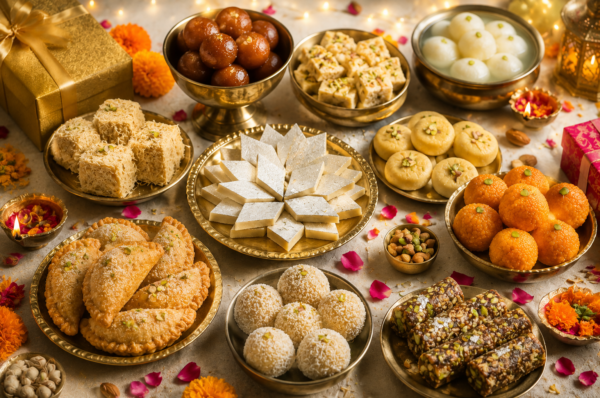
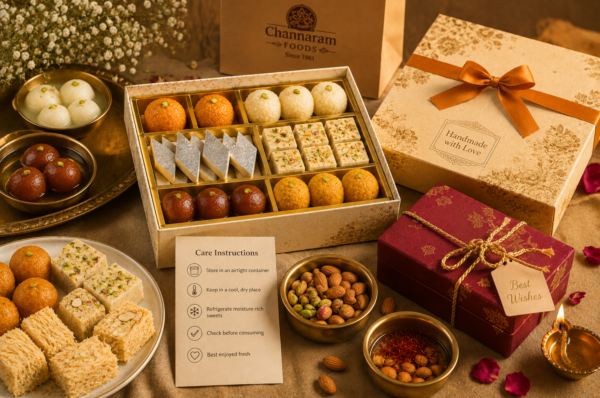
- Festivals like Diwali and Holi — ladoo, gujiya, and mawa-based sweets pair well with festive gifting boxes.
- Everyday indulgence — a simple peda or small box of rasgulla for casual visits.
- Religious ceremonies and prasad — besan ladoo and til sweets, preferred for their purity of ingredients.
Explore our full range of handmade mithai at Channaram Foods and taste the difference that tradition makes.